In Rhythm with Tokyo’s Seasons
In Japan, nature is observed with remarkable precision. Long before the modern calendar, time was tracked using the 24 Sekki—a traditional solar calendar that divides the year into 24 distinct seasonal shifts, each lasting about 15 days.
Rather than four broad seasons, the Sekki calendar highlights subtle changes in the environment: a shift in evening light, a soft turn in the wind, or the exact moment a flower blooms.
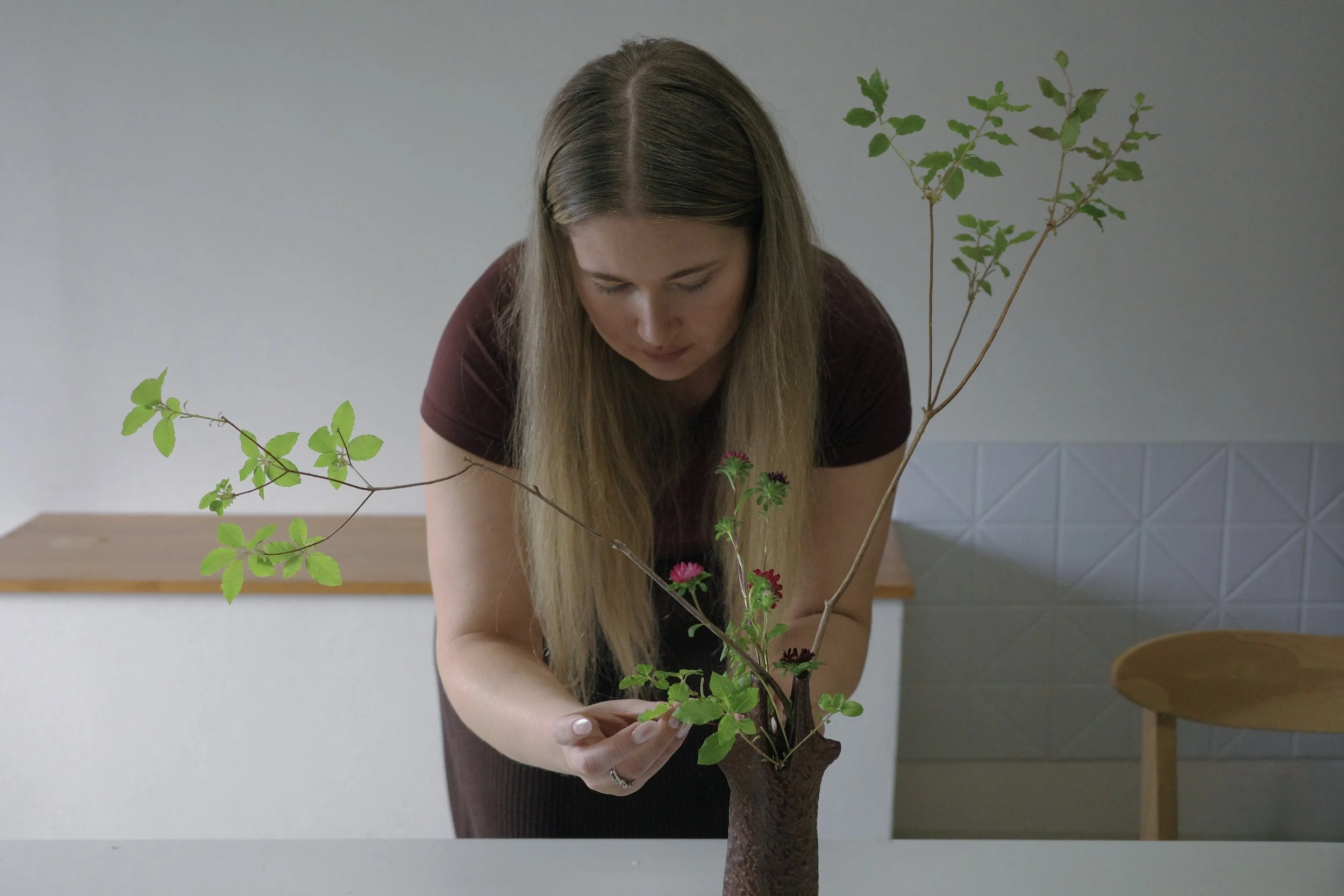
Each month bridges two of these micro-seasons. This guide explores the two Sekki unfolding in Tokyo right now—and how their spirit is captured in your room’s floral arrangement.
August in Tokyo:
The Two Shifts
Hakuro / 白露
7–21 September
"White Dew"
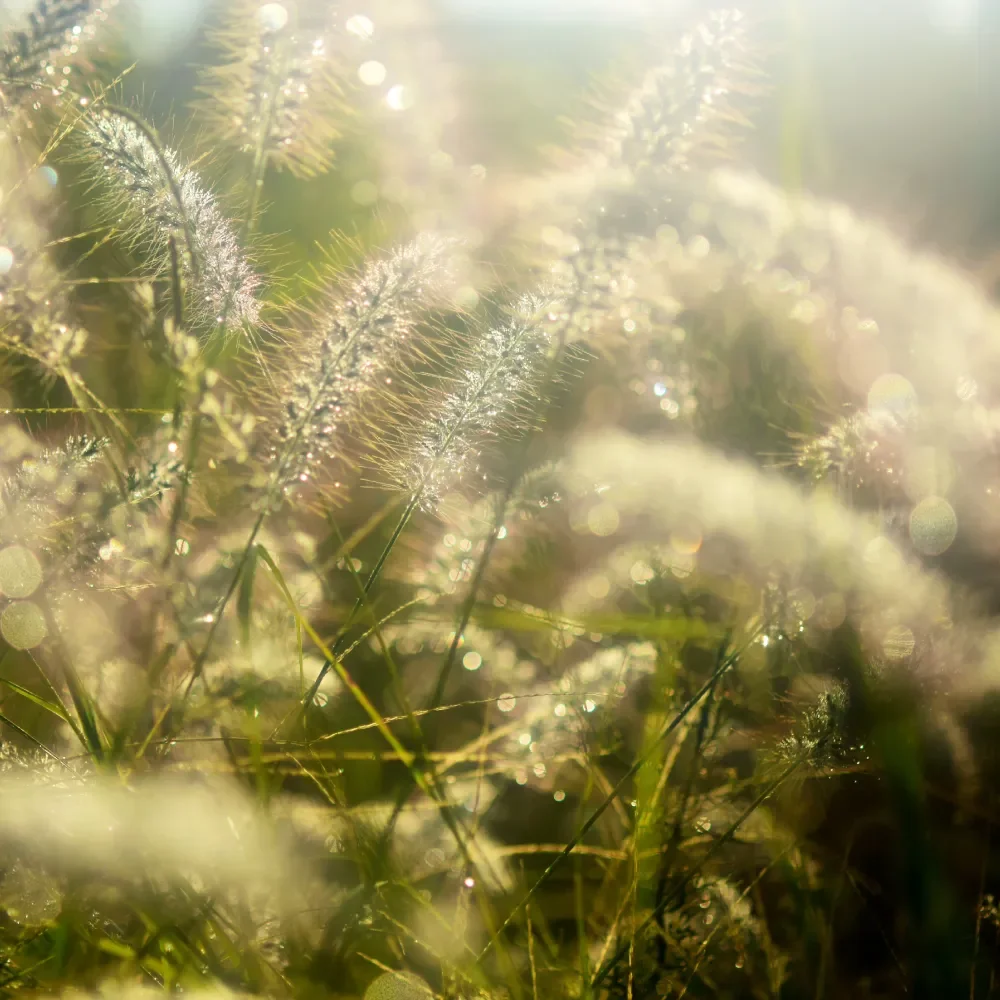
As autumn air settles more firmly over Tokyo, evening temperatures begin to dip. Overnight moisture condenses into glistening white dewdrops upon the grass and leaves at dawn, while the daylight hours noticeably shorten.
Shūbun / 秋分
22 September – 7 October
"Autumnal Equinox"
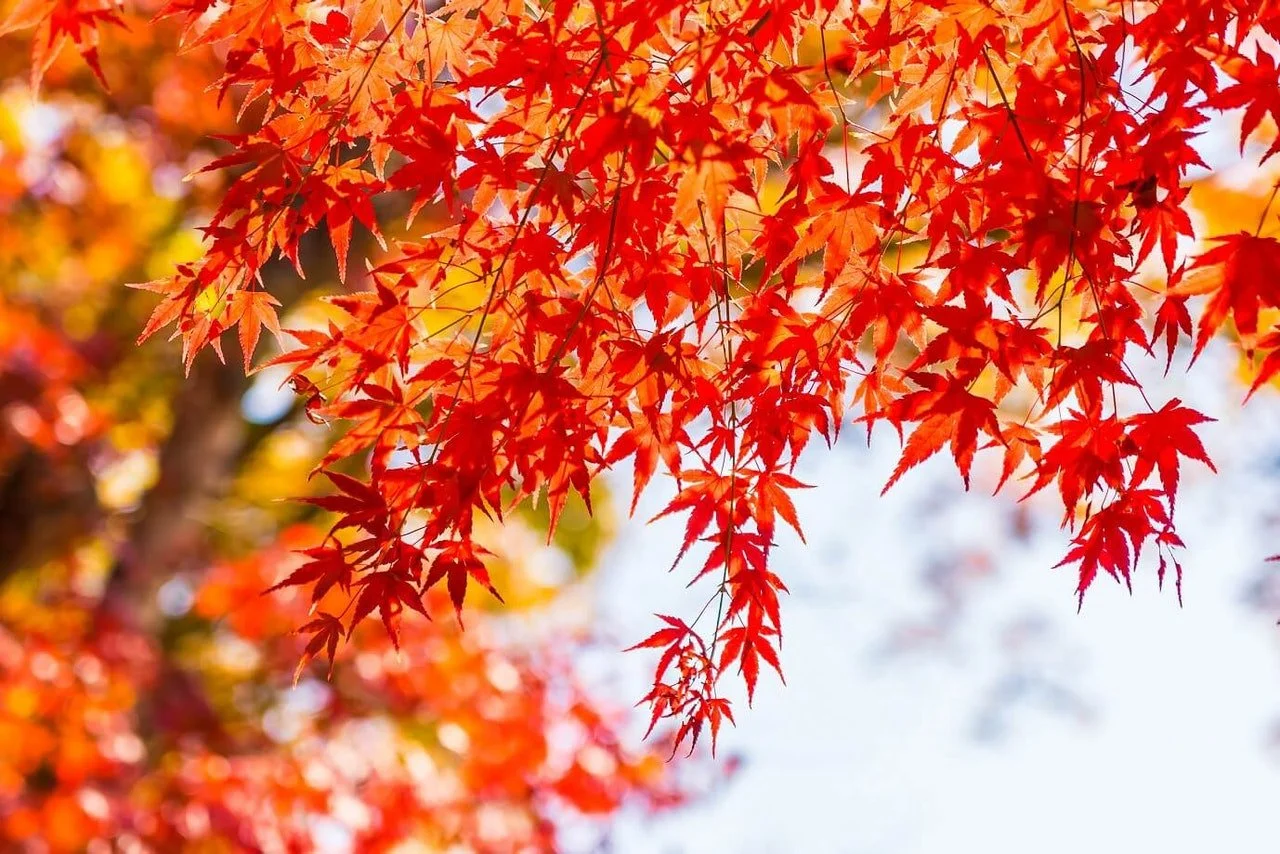
Shūbun marks the official midpoint of the season, when day and night are of equal length. The autumn breeze grows crisper, cosmos flowers burst into bloom across gardens, and the changing foliage begins its slow, quiet descent into deeper seasonal tones.
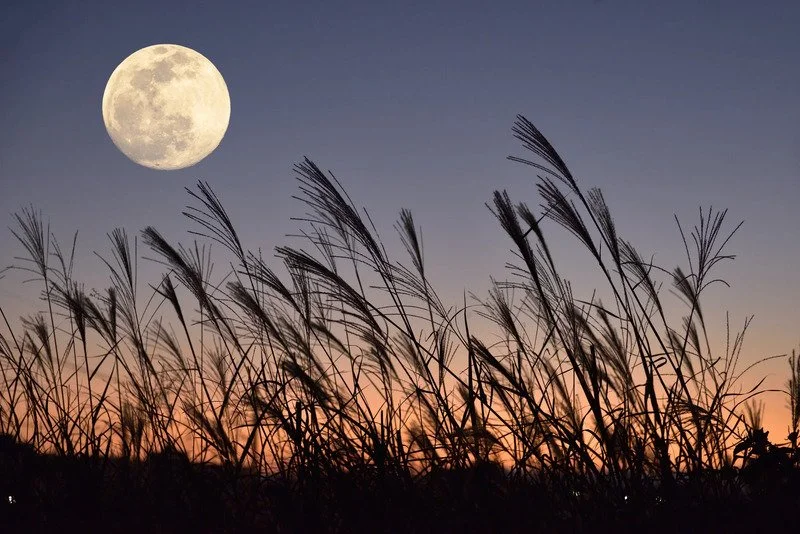
白露
草の葉ごとに
おく露を
玉とは見えて
秋はきにけり
—紀友則
『古今和歌集』
“The dewdrops resting
upon every blade of grass—
looking just like jewels,
tell us clearly that
autumn has truly come.”
—Ki no Tomonori
(Kokin Wakashū, 905 AD)
Seasonal Poetry
Flora in Focus
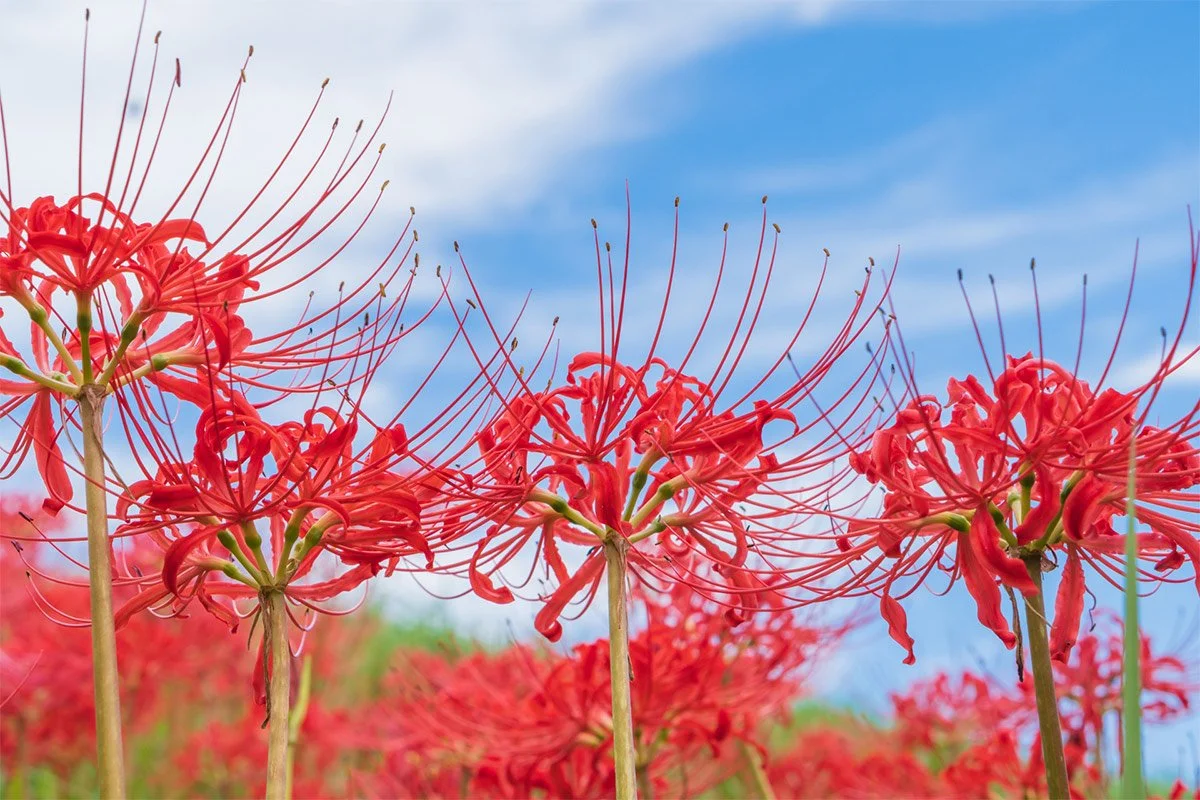
Higanbana
Red Spider Lily
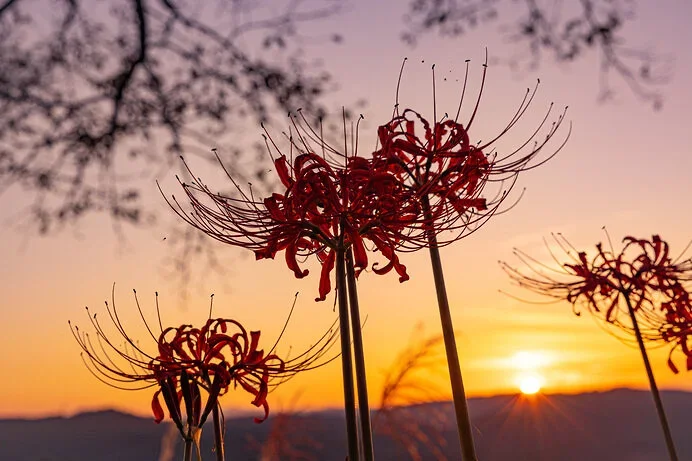
Celebrated for its striking, radiant crimson petals and bare, architectural stems. In Ikebana, Higanbana provides an arresting, dramatic focal point, marking the autumn equinox and the height of the seasonal transition.
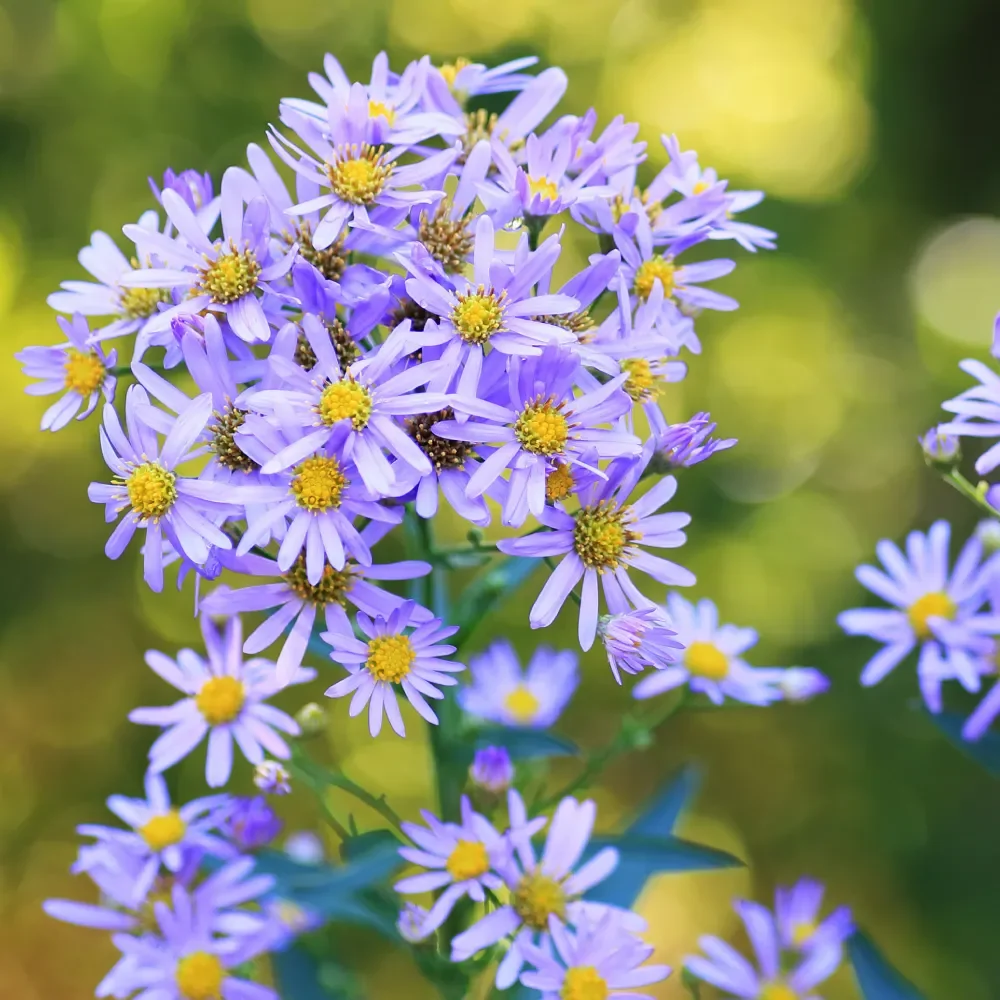
Shion
Tatarian Aster
Known for its tall, branching stems bearing sprays of pale violet-blue flowers with bright yellow centers. In Ikebana, Shion provides a graceful, airy height and a gentle pastoral charm that embodies the fading warmth of the season.
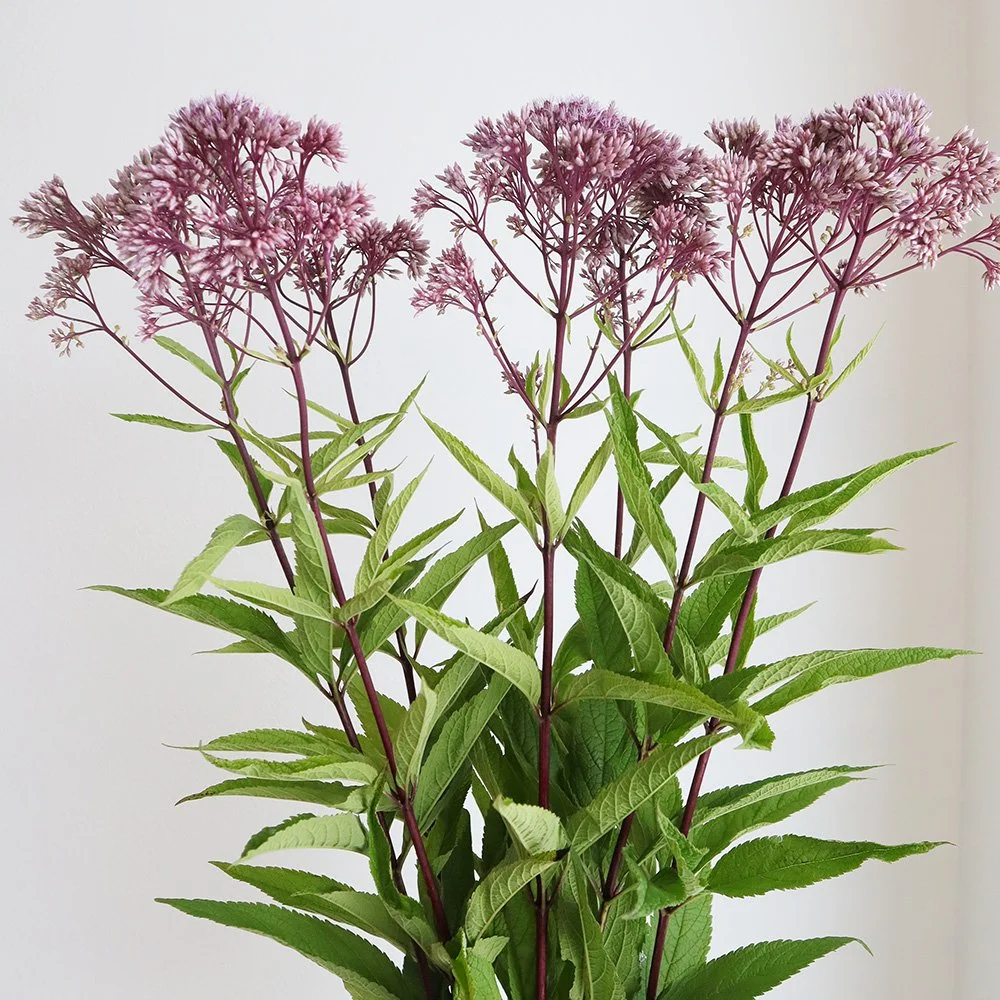
Fujibakama
Eupatorium / Thoroughwort
Celebrated for its clusters of delicate, dusty-mauve blossoms and subtle sweet fragrance. In Ikebana, Fujibakama introduces a quiet, nostalgic texture that is essential to traditional autumn arrangements.