
In Rhythm with Tokyo’s Seasons
In Japan, nature is observed with remarkable precision. Long before the modern calendar, Japan tracked time using 24 Sekki—a traditional solar calendar that divides the year into 24 distinct seasonal shifts, each lasting about fifteen days.
Rather than viewing the year through four broad seasons, the Sekki calendar encourages us to notice subtle changes in the environment: a sudden shift in evening light, a soft turn in the wind, or the exact moment a specific flower comes into bloom.
Each month bridges two of these micro-seasons. This page is a guide to the two Sekki unfolding in Tokyo right now—and how their spirit is captured in your room's floral arrangement.
August in Tokyo: The Two Shifts
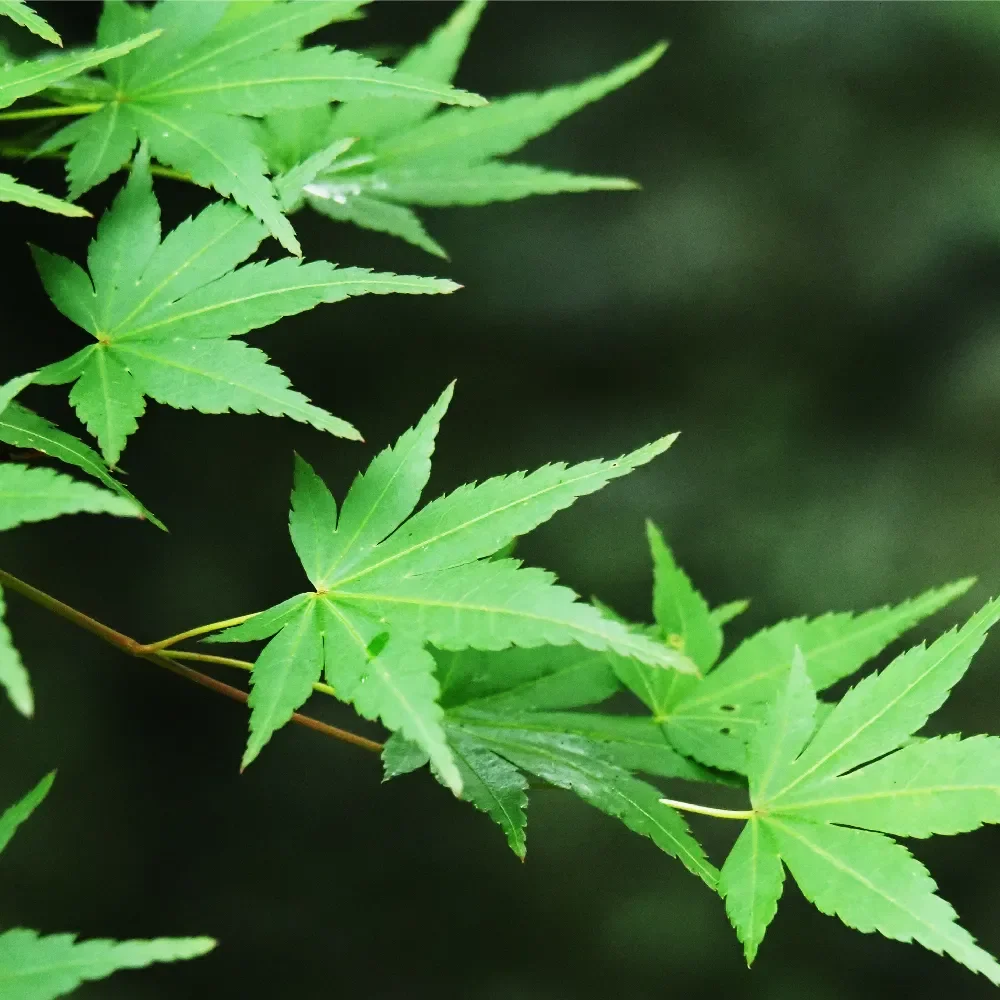
Risshū (立秋)
Approx. 7–22 August
"The Beginning of Autumn"
While midsummer temperatures in Tokyo remain high, the calendar marks Risshū as the initial, gentle turning point toward autumn. The shift is subtle: the angle of late-afternoon light begins to soften, morning skies appear clearer, and the evening humidity starts to lift.
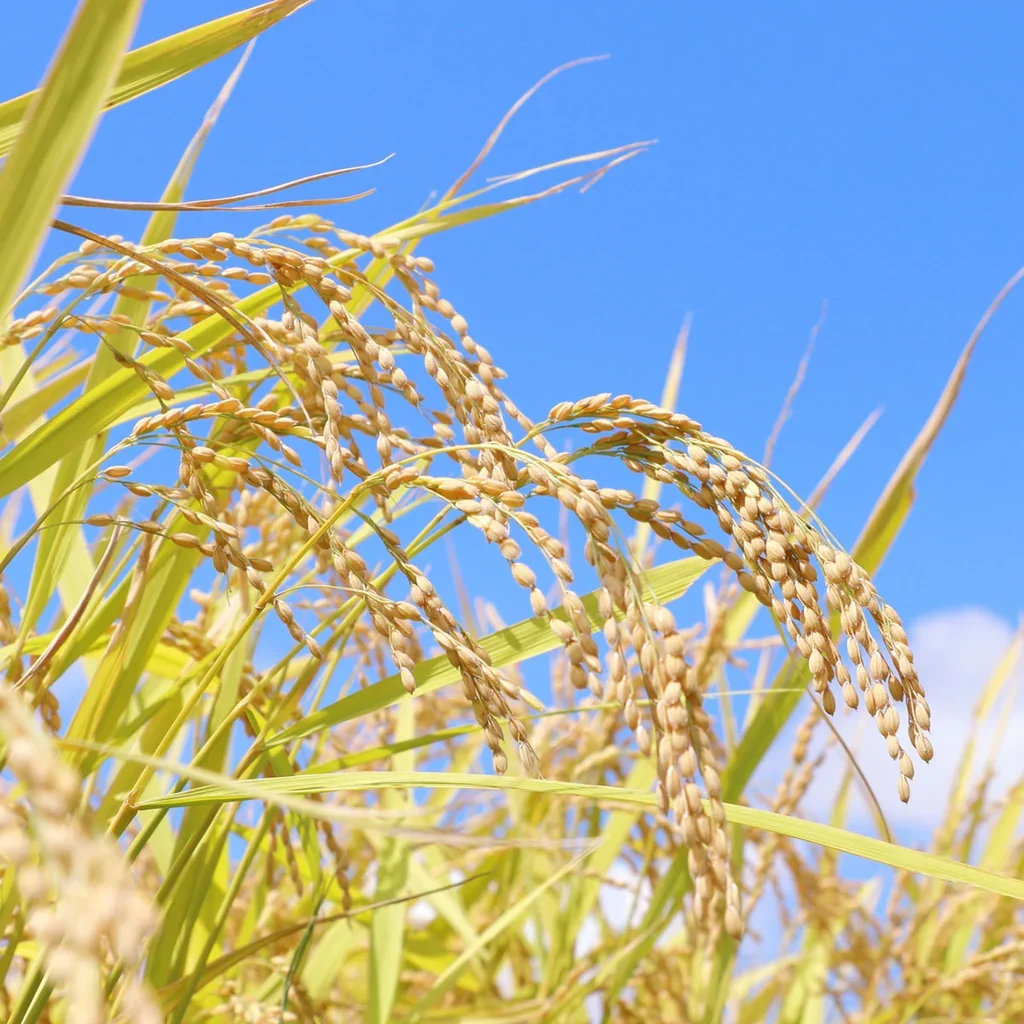
Shoshō (処暑)
Approx. 23 August – 6 September
"The Lessening of Heat"
Shoshō marks the moment the intense heat of high summer begins to ease. Evening breezes turn noticeably cooler, cicada songs quieten, and seasonal flora displays deeper, more saturated hues.